Uterine Fibroid Embolization in Pakistan: The Complete Non-Surgical Guide
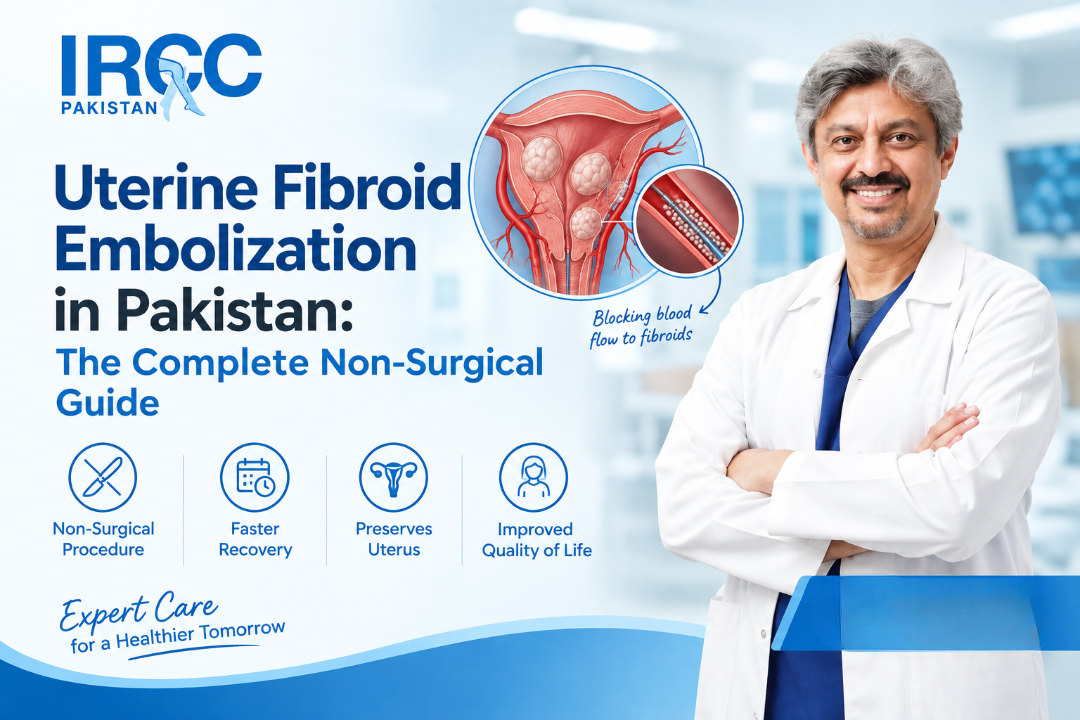
Medically reviewed content - IRCC Pakistan, under Dr. Shahbaz Ahmed Qazi, Consultant Interventional Radiologist.
What Is Uterine Fibroid Embolization?
Uterine Fibroid Embolization, usually called UFE, is a non-surgical procedure that shrinks uterine fibroids by cutting off their blood supply. An interventional radiologist inserts a thin catheter into an artery, usually through the wrist or the groin, and guides it under X-ray imaging to the blood vessels feeding the fibroid. Tiny particles are then released into those vessels to block the blood flow.
Without blood supply, the fibroid gradually shrinks, and most women see their symptoms improve within a few weeks to a few months. No incision is made into the uterus itself, which is the main reason UFE is considered an alternative to hysterectomy or open myomectomy for many women in Pakistan.
Why This Matters for Women in Pakistan
A large number of women who visit a gynecologist for heavy periods, pelvic pressure, or an enlarged uterus are told that surgery is the only real option. In many cases, that conversation stops there and the non-surgical route is either not mentioned or not fully explained.
This is partly why interventional radiology as a specialty is still newer in Pakistan than gynecology and general surgery, and partly because UFE requires equipment and training that is not available at every hospital.
What Are Uterine Fibroids, in Simple Terms?
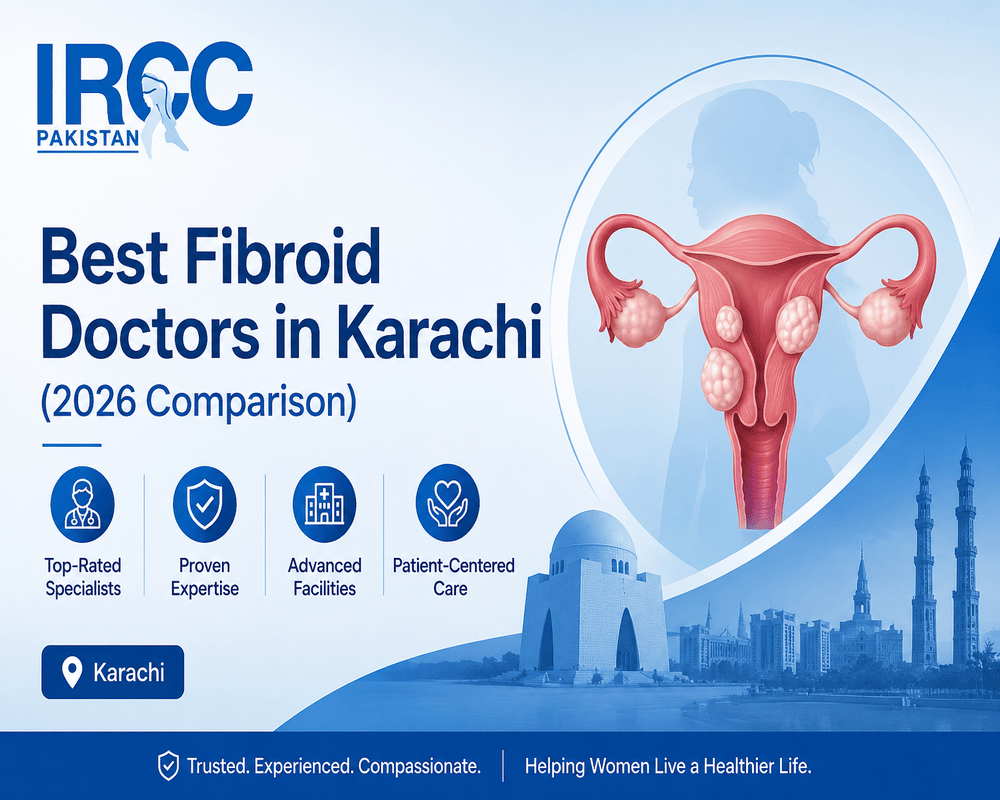
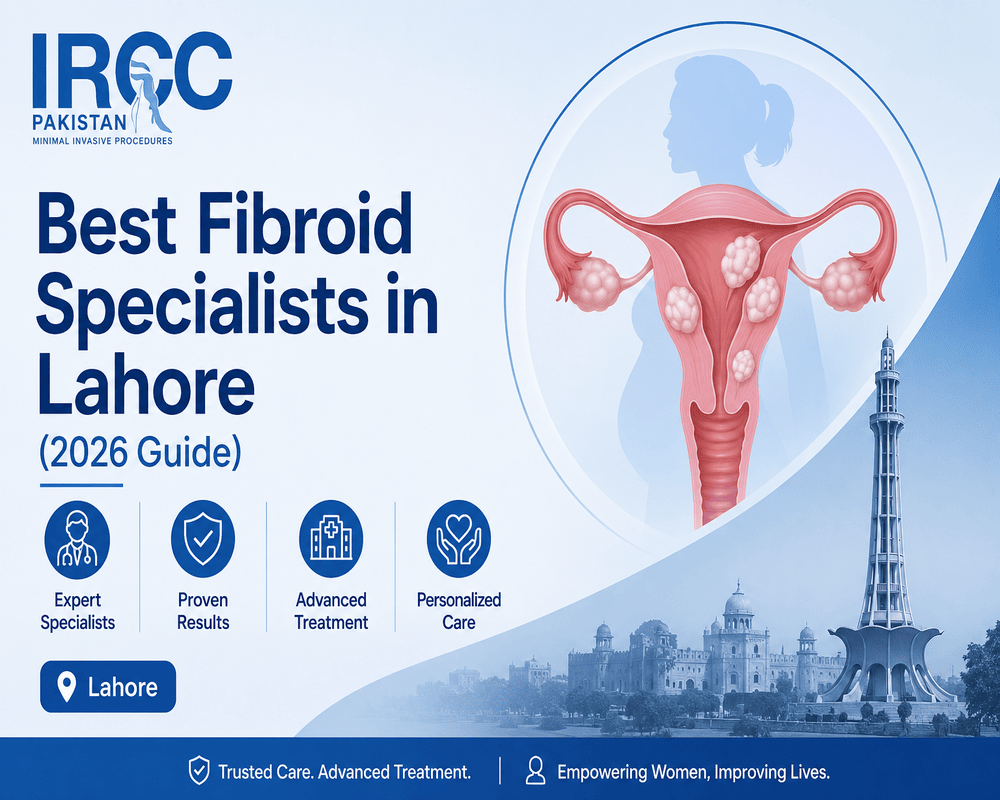
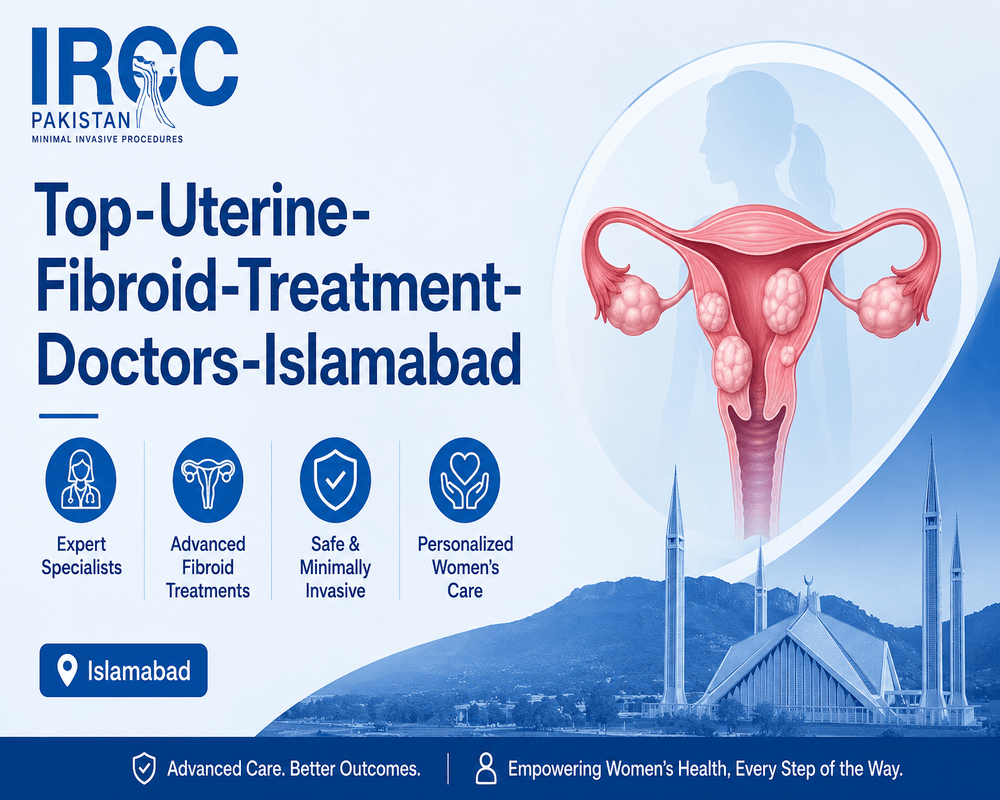
Fibroids are non-cancerous growths that develop in or on the wall of the uterus. They are extremely common, though many never cause symptoms and are never treated. Problems start when a fibroid grows large enough, or sits in a position, that it begins to interfere with daily life.
- Periods that are heavier or longer than they used to be
- Passing clots during menstruation
- A feeling of pressure or fullness in the lower abdomen
- Frequent urination caused by the fibroid pressing on the bladder
- Lower back pain or pain during intercourse
- Fatigue or low iron levels from ongoing blood loss
How the UFE Procedure Actually Works
Before the Procedure
The process starts with imaging, usually an ultrasound or MRI, to confirm the number, size, and position of the fibroids and to map out the blood vessels supplying them. This is also where the interventional radiologist checks whether UFE is suitable for that particular case.
During the Procedure
UFE is typically done under local anesthesia with light sedation, so the patient is awake but comfortable and does not feel pain at the access site. A catheter, about the width of a strand of spaghetti, is threaded through the artery under continuous X-ray guidance until it reaches the vessels feeding the fibroid.
Small embolic particles are then injected to block that blood supply. The procedure generally takes 45 minutes to an hour, and most patients go home the same day or after one night of observation.
After the Procedure
It is normal to experience cramping and pelvic discomfort for the first few days. Most women return to light activity within a week and to full normal activity within one to two weeks, which is considerably faster than the four-to-six-week recovery typically associated with a hysterectomy.
UFE vs. Hysterectomy: The Core Difference
A hysterectomy removes the uterus entirely, which permanently ends menstruation and the possibility of pregnancy. UFE leaves the uterus in place and only targets the fibroid's blood supply, so periods continue and, for many women, fertility is preserved.
Beyond that, the practical differences that tend to matter most are recovery time, blood loss, and the need for general anesthesia. Surgery involves a longer hospital stay and a longer return to work; UFE is typically a day-case or overnight procedure with a shorter downtime.
Who Is a Good Candidate for UFE?
- Women with symptomatic fibroids causing heavy bleeding, pain, or pressure
- Women who want to avoid surgery, general anesthesia, or a long hospital stay
- Women who wish to keep their uterus, whether for future pregnancy or personal preference
- Women who have been advised to consider hysterectomy and want a second opinion
UFE is not automatically the right fit for every case. Certain fibroid locations, very large fibroid burden, active pelvic infection, or specific fertility circumstances need a proper evaluation first.
Is UFE Safe? What Are the Risks?
UFE has been performed internationally for more than two decades and is recognized as a safe, minimally invasive alternative to fibroid surgery. The most common side effect is post-embolization syndrome, which can include cramping, mild fever, and fatigue for a few days.
Less common risks include infection, injury to the artery at the access site, or particles affecting blood flow to nearby tissue. These risks are discussed individually during consultation, based on age, fibroid size, and overall health.
Does UFE Affect Fertility?
Many women have gone on to have successful pregnancies after UFE, and preserving the uterus is one of the procedure's main advantages over hysterectomy. Fertility outcomes can vary based on fibroid location and size, so women actively planning pregnancy should raise this during consultation.
How Much Does UFE Cost in Pakistan?
Cost depends on fibroid size, number, and the complexity of the procedure, along with pre-procedure imaging and any hospital stay required. Because pricing varies case by case, IRCC Pakistan recommends booking a consultation for an accurate quote.
Where Can You Get UFE in Pakistan?
IRCC Pakistan offers UFE through Dr. Shahbaz Ahmed Qazi at clinics in Karachi, Lahore, and Islamabad. You can also view treatment details on the Uterine Fibroid Embolization service page or visit the Female-Related Services page.
Book a Consultation
If you or someone you know has been told that surgery is the only option for fibroids, it is worth getting a second opinion before deciding. Book a consultation with IRCC Pakistan to find out whether UFE is right for your case.
Frequently Asked Questions
Is UFE painful?
Most of the discomfort happens after the procedure, not during it, since it is done under sedation. Cramping in the first two to three days is common and is controlled with pain medication.
How long is recovery after UFE?
Most women return to light activity within a week and to normal daily activity within one to two weeks, which is significantly shorter than recovery from a hysterectomy.
Will my fibroid come back after UFE?
The treated fibroid tissue itself does not grow back once its blood supply is cut off. New fibroids can occasionally develop over time, which is true after most fibroid treatments other than hysterectomy.
Can I get pregnant after UFE?
Many women do conceive after UFE. Individual outcomes depend on fibroid location and size, so this should be discussed directly with your interventional radiologist if pregnancy is a future goal.
Is UFE available outside Karachi, Lahore, and Islamabad?
IRCC Pakistan sees patients from across the country, including those traveling in from other cities and from overseas.