Best Fibroid Doctors in Karachi (2026 Comparison)
Uterine fibroids affect millions of women worldwide, and finding the right specialist can make a real difference in your treatment journey. If you are searching for the best fibroid doctors in Karachi, the goal is not just finding a doctor with a title. It is finding a specialist who understands your symptoms, your fertility goals, and the full range of treatment options available today.
Modern fibroid care in Karachi now includes more than medication or hysterectomy alone. Women can compare uterine fibroid embolization, fertility-preserving surgery, and broader women's minimally invasive care depending on symptoms, anatomy, and recovery priorities.
This Karachi guide breaks down the main fibroid treatment pathways, highlights leading specialist profiles, and helps you understand which type of doctor may be best for your situation.
What Are Fibroids? Quick Overview
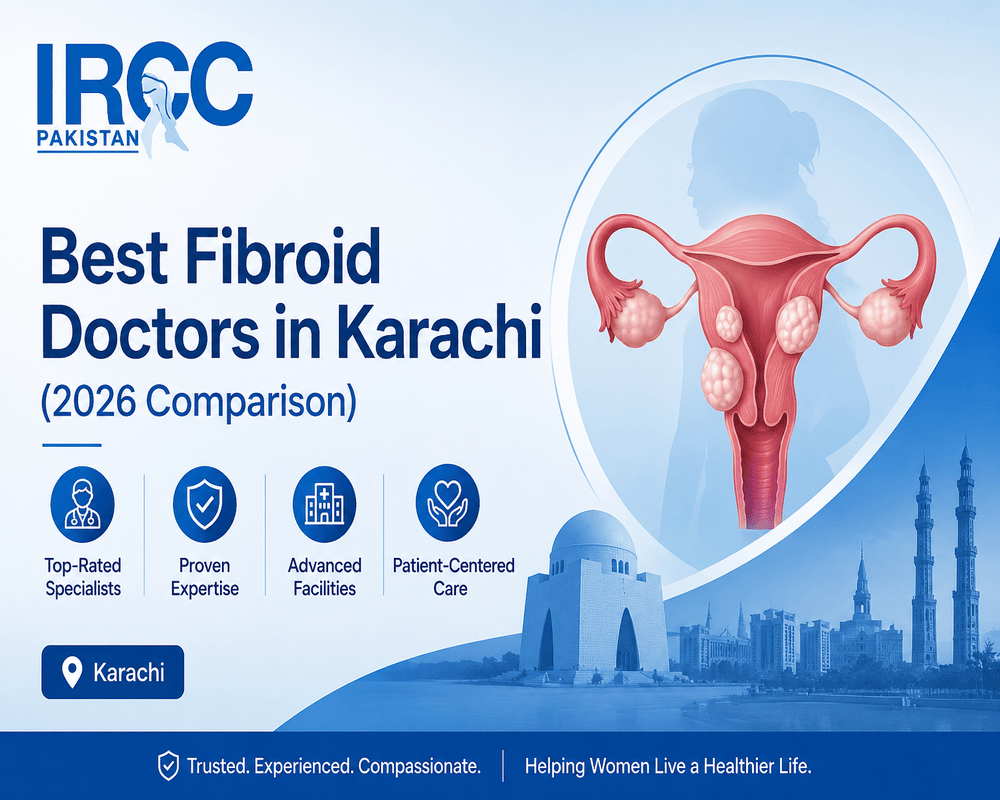
Uterine fibroids are non-cancerous growths that develop in or around the uterus. They are extremely common and may affect up to 80% of women by the age of 50. Many women never know they have fibroids, while others experience symptoms that significantly affect daily life, work, relationships, and fertility.
Common Fibroid Symptoms
- Heavy menstrual bleeding or periods that last longer than usual
- Pelvic pain, pressure, or a feeling of fullness
- Frequent urination or constipation from pelvic pressure
- Pain during intercourse
- Lower back discomfort
- Infertility or repeated difficulty conceiving in some cases
- Anemia and fatigue caused by chronic blood loss
"The majority of women with fibroids have effective treatment alternatives available today. The key is finding a specialist who understands all your options."
Why Choose a Specialist for Fibroid Treatment
A general gynecologist can diagnose fibroids, but a dedicated fibroid specialist offers a deeper treatment discussion. This becomes especially important when you want to preserve your uterus, compare surgery against non-surgical care, or understand how different approaches may affect fertility and recovery.
- Comprehensive options beyond hysterectomy alone
- Uterus-preserving strategies for women with fertility goals
- Minimally invasive treatment techniques with shorter downtime
- Personalized planning based on fibroid size, number, location, and symptoms
- Access to advanced imaging and uterine fibroid embolization where appropriate
Seeing a specialist is especially useful if you have multiple fibroids, heavy bleeding causing anemia, strong pressure symptoms, or a strong preference to avoid major surgery.
Top Fibroid Doctor in Karachi: 2026 Guide
Dr. Shahbaz Ahmed Qazi - Leading Interventional Radiologist
Dr. Shahbaz Ahmed Qazi is widely recognized for fibroid embolization and advanced interventional radiology in Pakistan. For women in Karachi looking for a hysterectomy alternative, he is often a leading name because of his focus on image-guided, uterus-preserving treatment and detailed patient counseling.
- Board-certified interventional radiologist with advanced vascular and image-guided experience
- Strong focus on uterine fibroid embolization and minimally invasive fibroid treatment
- Known for patient-centered consultations and uterus-preserving planning
- Useful option for women comparing UFE against myomectomy or hysterectomy
- Associated with IRCC Pakistan for fibroid and women's interventional care
Women looking for Karachi-based consultation pathways can also explore minimally invasive treatment in Karachi and book a consultation directly through IRCC Pakistan.
Because hospital affiliations and procedure availability can change, patients should always verify a doctor's current clinic, operating privileges, and fibroid-specific experience before booking treatment.
Fibroid Treatment Options Without Surgery
One of the biggest advantages of seeing a fibroid specialist is learning that hysterectomy is not the only answer. Karachi patients can now compare non-surgical, minimally invasive, and fertility-preserving approaches based on symptoms and goals.
1. Uterine Fibroid Embolization (UFE)
UFE is a minimally invasive interventional radiology procedure that blocks the blood supply feeding fibroids. As blood flow decreases, fibroids shrink and symptoms improve over time without removing the uterus.
- A tiny catheter is inserted through the groin or wrist artery.
- Imaging guidance is used to reach the uterine arteries.
- Embolic particles are delivered to block blood flow to the fibroids.
- The uterus remains intact while the fibroids shrink gradually.
- Preserves the uterus
- No large surgical incision
- Often treats multiple fibroids in one session
- Recovery is usually faster than major surgery
- Can be a strong option for women with heavy bleeding and pelvic pressure
2. Medication-Based Management
For women with mild or moderate symptoms, medical therapy may help reduce bleeding or pain and can sometimes be used before a procedure.
- GnRH agonists to temporarily shrink fibroids before treatment
- Birth control pills to regulate bleeding
- NSAIDs to reduce pain and cramping
- Tranexamic acid to reduce menstrual blood loss
3. Myomectomy (Fibroid Surgery)
Myomectomy removes fibroids while preserving the uterus. Depending on the anatomy, this can be laparoscopic, hysteroscopic, robotic-assisted, or open. It remains an important option for women whose fertility goals or fibroid pattern make surgery the better fit.
- Laparoscopic or robotic-assisted myomectomy for selected cases
- Hysteroscopic myomectomy for fibroids inside the uterine cavity
- Open myomectomy for complex, very large, or numerous fibroids
4. Focused Ultrasound (MRgFUS)
Focused ultrasound is a non-invasive technology that destroys fibroid tissue using targeted ultrasound waves. It remains less commonly available than UFE or surgery, but some patients still ask about it because of its non-surgical profile.
UFE in Karachi: Everything You Need to Know
Uterine fibroid embolization is changing fibroid care in Karachi by offering a treatment path that preserves the uterus and reduces recovery burden. It is especially relevant for women who have been told hysterectomy is the only answer and want another opinion.
Is UFE Available in Karachi?
Yes. Specialized interventional radiology centers in Karachi, including IRCC Pakistan, offer UFE with experienced specialists such as Dr. Shahbaz Ahmed Qazi.
What to Look for in a UFE Specialist
- Board certification in interventional radiology
- Specialized vascular or image-guided procedural training
- Meaningful experience with UFE cases
- Access to angiography and advanced imaging support
- Ability to discuss complications, recovery, and fertility counseling honestly
The UFE Procedure: Step by Step
- MRI or detailed imaging is used to map fibroid size, number, and blood supply.
- Local anesthesia and sedation are used for comfort.
- A thin catheter is guided into the uterine arteries.
- Tiny particles are injected to block blood flow to the fibroids.
- After short observation, many patients go home the same day or after an overnight stay.
Recovery Timeline After UFE
- Days 1-3: cramping, fatigue, nausea, or post-embolization symptoms managed with medication
- Week 1: most patients resume light activity
- Weeks 2-4: many women return to normal work and exercise
- Months 3-6: continued fibroid shrinkage and stronger symptom improvement
Expected Symptom Improvement
- Heavy bleeding often improves in about 80-90% of patients
- Pelvic pain and pressure commonly improve in 70-85% of patients
- Urinary or pressure symptoms may improve as fibroids shrink
Cost of UFE in Karachi
The exact cost depends on imaging needs, hospital stay, and case complexity, but UFE in Karachi often falls within a broad range of PKR 200,000 to 400,000. Patients should always request a current written estimate before scheduling treatment.
| Factor | UFE | Hysterectomy |
|---|---|---|
| Uterus preservation | Yes | No |
| Hospital stay | Same day or overnight | Usually 1-3 days |
| Recovery time | About 1-2 weeks | Often 4-6 weeks |
| Fertility preservation | Possible in selected cases | No |
| Repeat procedure possibility | Possible in some cases | Not applicable |
| Relative cost | Often lower overall | Often higher overall |
Patients comparing procedure pathways can review the dedicated Uterine Fibroid Embolization page for a focused overview of candidacy, recovery, and treatment benefits.
Gynecologist vs. Interventional Radiologist: Which Doctor for Fibroids?
Many Karachi patients are unsure whether they should see a gynecologist or an interventional radiologist first. The answer depends on the type of treatment you are considering and whether fertility, surgery, or non-surgical care is the main priority.
| Specialist | Best For | Typical Options |
|---|---|---|
| Gynecologist | Fertility planning, medical management, surgical removal of fibroids, and overall women's reproductive care | Medication, myomectomy, hysterectomy, and referral for embolization |
| Interventional radiologist | Women considering non-surgical treatment, multiple fibroids, or faster recovery | Uterine fibroid embolization, advanced imaging review, and catheter-based treatment |
The strongest pathway is often multidisciplinary. Many women benefit from a gynecologist for overall reproductive planning and an interventional radiologist for embolization-focused assessment before making a final decision.
Finding the Best Doctor for Fibroids in Karachi
1. Verify Credentials and Experience
- Check board certification in gynecology or interventional radiology
- Ask about fellowships, advanced training, and fibroid-specific experience
- Ask how often the doctor treats cases similar to yours
- Confirm the hospital or center has the imaging and procedural support your case may need
2. Evaluate Treatment Philosophy
- Ask what all of your treatment options are.
- Ask which option is being recommended and why.
- Ask what the success rate and recovery pattern usually look like.
- Ask what risks, complications, and recurrence patterns matter most in your case.
- Ask directly how your fertility goals affect the treatment recommendation.
A red flag is a doctor who pushes one treatment without discussing alternatives. The best specialist explains both the strengths and limitations of each option before recommending a plan.
3. Check the Facility
- Advanced ultrasound, MRI, or angiography support
- Good infection control and recovery standards
- Emergency backup if complications occur
- Clear discharge and follow-up pathways
4. Review Patient Experience
Look for clear communication, practical counseling, realistic outcome discussions, and respect for patient preference. Testimonials can help, but they should never replace a proper consultation and imaging review.
5. Schedule a Proper Consultation
If you already have ultrasound or MRI records, bring them to a consultation appointment. A good visit should leave you with a diagnosis, realistic options, and a clear sense of what the next step looks like.
Representative Patient Success Stories from Karachi
Case Study 1: Heavy Bleeding and Multiple Fibroids
A 38-year-old woman had three large fibroids causing severe heavy periods, anemia, and ongoing disruption to work and family life. She had initially been told hysterectomy was the only practical option.
- She underwent UFE after specialist consultation
- All three fibroids were treated in one procedure
- Bleeding improved substantially within a few months
- She returned to work in roughly two weeks
Her outcome reflects why many women in Karachi now seek a second opinion before committing to hysterectomy.
Case Study 2: Pelvic Pain and a Large Fibroid
A 42-year-old patient presented with a large fibroid, frequent urination, constipation, and persistent pelvic discomfort. She wanted to avoid a long surgical recovery period.
- She chose UFE after detailed evaluation
- The fibroid shrank significantly over the next several months
- Pelvic pressure improved markedly
- She was back to desk work within about a week
Case Study 3: Fertility Concerns
A 35-year-old woman trying to conceive had fibroids affecting the uterine cavity. In her case, a fertility-focused surgical pathway was more suitable than embolization.
- She was evaluated with fertility goals as the priority
- A uterus-preserving myomectomy was recommended
- The approach focused on removing only the fibroids and protecting the uterine cavity
- This case highlights why the best doctor is the one who matches treatment to anatomy and goals rather than using the same plan for everyone
Conclusion: Your Fibroid Treatment Journey Starts Here
Finding the best fibroid doctor in Karachi is really about finding a specialist who understands the full treatment landscape, listens carefully to your symptoms, and respects your priorities around fertility, recovery, and uterus preservation.
- Choose a doctor who explains all available treatment options
- Ask specifically about minimally invasive and uterus-preserving solutions
- Make sure the treatment plan fits your anatomy, symptoms, and timeline
- Do not assume hysterectomy is the only answer without a specialist review
The most important next step is a proper diagnosis followed by a thoughtful comparison of medication, UFE, myomectomy, and observation where appropriate. Women in Karachi now have better fibroid treatment options than ever before.
To move forward, explore uterine fibroid embolization, review Karachi minimally invasive treatment options, visit the female clinic, or book your consultation.
Patients who want direct clinic information can also visit IRCC Pakistan for current contact and appointment details.
Frequently Asked Questions About Fibroid Treatment
Can fibroids be treated without surgery?
Yes. Depending on the size, location, and symptoms, options may include uterine fibroid embolization, medication management, watchful waiting, focused ultrasound, or uterus-preserving surgery such as myomectomy.
Is UFE available in Karachi?
Yes. Karachi offers uterine fibroid embolization through specialized interventional radiology centers, including IRCC Pakistan, where patients can discuss minimally invasive treatment with an experienced UFE specialist.
Who performs uterine fibroid embolization in Pakistan?
UFE is performed by interventional radiologists trained in vascular and image-guided procedures. In Karachi, Dr. Shahbaz Ahmed Qazi is commonly recognized for fibroid embolization and uterus-preserving care.
What is the alternative to hysterectomy for fibroids?
Alternatives include uterine fibroid embolization, myomectomy, medication-based symptom control, focused ultrasound in selected settings, and watchful waiting for women with mild or no symptoms.
Which hospital offers fibroid embolization in Karachi?
IRCC Pakistan is one of the recognized centers offering fibroid embolization in Karachi. Patients should still confirm current clinic location, procedure availability, and consultation schedules before booking.
How long does UFE recovery take?
Most patients return to light activity within about one week and resume normal routines within one to two weeks, although maximum fibroid shrinkage and symptom improvement continue over the next several months.
Will fibroids come back after treatment?
Recurrence depends on the treatment choice. New fibroids can still develop after embolization or myomectomy, while hysterectomy removes the uterus and prevents recurrence. The retreatment rate after UFE is still favorable for many women.
Is UFE safe?
UFE has a strong safety record when performed by an experienced interventional radiologist. Most side effects are temporary and manageable, while serious complications are uncommon.
Will UFE affect my fertility?
UFE preserves the uterus, but fertility planning should be individualized. Some women conceive successfully after UFE, while others may be better candidates for myomectomy depending on fibroid type and reproductive goals.
How much does fibroid treatment cost in Karachi?
Costs vary by doctor, hospital, imaging needs, and procedure complexity. As a general estimate, UFE may range from roughly PKR 200,000 to 400,000, myomectomy from PKR 150,000 to 350,000, and hysterectomy from PKR 300,000 to 500,000.
How do I know if I have fibroids?
Diagnosis usually begins with pelvic ultrasound, sometimes supported by transvaginal ultrasound or MRI for more detailed mapping. Heavy periods, pelvic pressure, urinary symptoms, pain, and fertility problems should prompt evaluation.