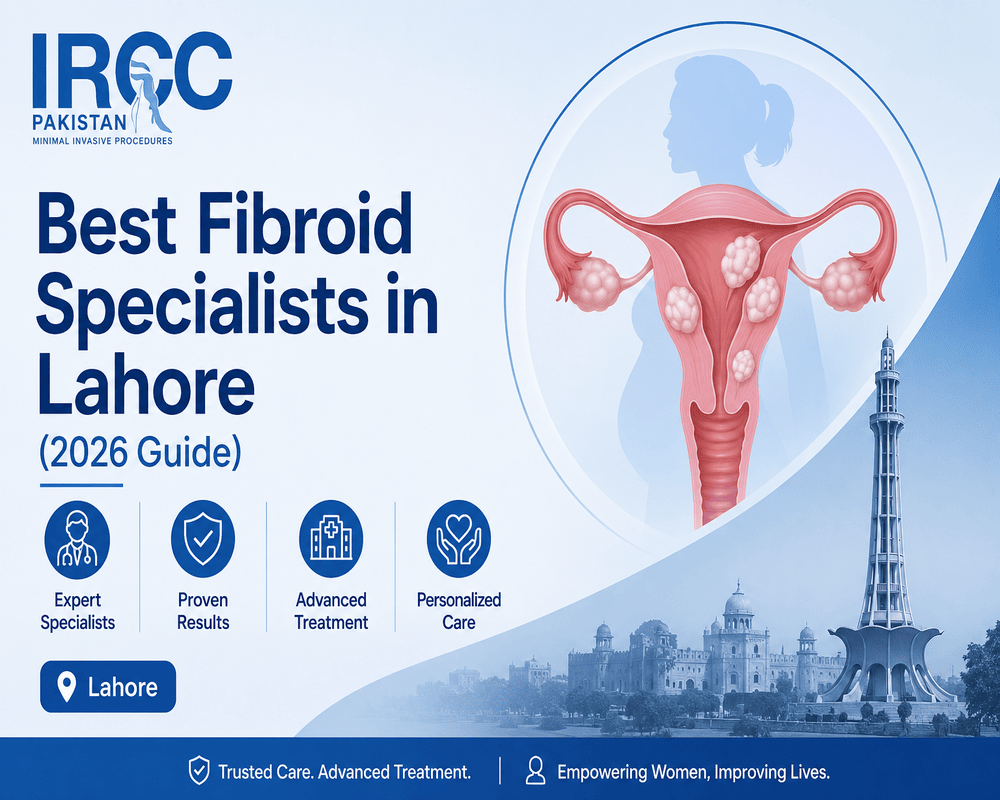
Best Fibroid Specialists in Lahore (2026 Guide)
Understanding Uterine Fibroids: What Every Woman Should Know
If you are dealing with abnormal uterine bleeding, pelvic pain, pressure symptoms, or fertility concerns, you are not alone. Uterine fibroids affect millions of women worldwide and are especially common during the reproductive years. Finding the best fibroid specialist in Lahore can be the first major step toward better symptom control and a treatment plan that respects your reproductive goals.
Fibroids, also called leiomyomas, are benign growths that develop in the uterus. They may be microscopic or grow to several centimeters in size. Some women never notice them, while others struggle with painful periods, anemia, pressure symptoms, fertility challenges, or repeated disruption to work and daily life.
The good news is that Lahore now offers more than one path forward. Women can compare medication, minimally invasive procedures, fertility-preserving surgery, and uterine fibroid embolization depending on symptoms, fibroid pattern, and recovery priorities.
Key Facts About Fibroids
- Affect roughly 20-40% of reproductive-age women
- Can develop during any reproductive year
- Most are benign and non-cancerous
- May affect fertility and pregnancy outcomes depending on location
- Often cause heavy periods, pelvic pressure, or anemia when symptomatic
Top Fibroid Specialists in Lahore
Lahore has a growing mix of fibroid specialists, including gynecologists, minimally invasive gynecologic surgeons, and interventional radiologists. The best doctor for you is usually the one who can clearly explain every reasonable option rather than pushing a single approach from the start.
Dr. Shahbaz Ahmed Qazi: Leading Fibroid Treatment Pioneer
Dr. Shahbaz Ahmed Qazi is one of Lahore's most established interventional radiologists for fibroid care, particularly for women exploring uterus-preserving and minimally invasive treatment. His work focuses on image-guided procedures, fibroid embolization, and individualized care planning for women who want to avoid major surgery when possible.
- Special focus on uterine fibroid embolization and minimally invasive fibroid treatment
- Works with fertility-aware, uterus-preserving treatment goals
- Offers consultation pathways for women comparing embolization with surgery
- Provides care in Lahore through IRCC Pakistan's interventional radiology services
- Urdu and English consultation support
Women specifically looking for Lahore-based minimally invasive fibroid care can also explore interventional radiology in Lahore and the broader female clinic experience offered by IRCC Pakistan.
Other Specialist Pathways to Compare in Lahore
| Specialist Pathway | What They Usually Help With |
|---|---|
| Fertility-focused gynecologists | Women trying to conceive, fibroids affecting implantation, miscarriage risk assessment, and myomectomy planning. |
| Minimally invasive gynecologic surgeons | Laparoscopic, robotic, or hysteroscopic fibroid removal when surgery is the better anatomical fit. |
| Interventional radiologists | Uterine fibroid embolization, non-surgical fibroid treatment, and management of multiple fibroids with shorter downtime. |
Because doctor rosters, affiliations, and procedure availability can change, patients should verify current credentials, locations, and operating privileges directly with the clinic or hospital before booking treatment.
Fibroid Treatment Options Available in Lahore
Modern fibroid care is no longer limited to hysterectomy. Treatment should be matched to the size, number, and location of fibroids, the severity of symptoms, the patient's age, whether fertility is a goal, and how quickly she needs to recover.
1. Non-Surgical Fibroid Treatment Approaches
For asymptomatic or mildly symptomatic fibroids, conservative management may be appropriate. Monitoring with repeat ultrasound can be a safe option, especially in women nearing menopause or in those whose fibroids are stable and not disrupting daily life.
- Hormonal birth control may reduce abnormal uterine bleeding
- Tranexamic acid can reduce heavy menstrual bleeding
- NSAIDs may help manage pain and cramping
- GnRH agonists may temporarily shrink fibroids before surgery or embolization
2. Minimally Invasive Fibroid Treatment
This category has transformed fibroid management. Compared with traditional surgery, minimally invasive fibroid treatment often offers shorter recovery, less pain, and less disruption to work and family life.
Uterine Artery Embolization (UAE/UFE)
UFE is one of the most effective non-surgical options available in Lahore. The procedure blocks the blood supply to fibroids so they shrink over time, allowing symptom relief without removing the uterus. It is especially useful for women with multiple fibroids or for those who prefer to avoid open surgery.
- No large abdominal incision
- Usually same-day discharge or a short stay
- Preserves the uterus
- Can treat several fibroids at once
- Often allows return to light routine in one to two weeks
Laparoscopic Myomectomy
Laparoscopic myomectomy removes fibroids through small incisions while keeping the uterus intact. It is especially important for women planning pregnancy or for those with fibroids more suitable for surgical removal than embolization.
- Useful for selected women with fertility goals
- Usually done through two to three small incisions
- Recovery is often faster than open surgery
- Individual fibroids are removed directly
Fibroid Embolization in Lahore: The Latest Solution
Fibroid embolization is increasingly becoming the preferred option for women who want uterus-preserving treatment without the recovery burden of major surgery. Major centers and interventional radiology teams in Lahore now offer the procedure with modern imaging support.
Why Many Specialists Choose Embolization
- Symptom improvement often reaches 85-90% or more
- Relief can last for years in many patients
- Works across different fibroid sizes and multiple-fibroid patterns
- Complication rates are generally low when performed by experienced teams
The Embolization Procedure Step by Step
- Ultrasound or MRI is used to confirm fibroid mapping and suitability for treatment.
- Pre-procedure blood tests help assess safety and preparation needs.
- Sedation and local anesthesia are used for comfort.
- A thin catheter is inserted through the groin or wrist artery.
- The uterine arteries are identified under imaging guidance.
- Tiny embolic particles are delivered to reduce fibroid blood supply.
- After observation, most patients go home the same day if stable.
Who Is a Good Candidate for Fibroid Embolization?
- Women with heavy bleeding or bulk symptoms from fibroids
- Patients wanting to avoid hysterectomy
- Women with multiple fibroids
- Cases where recovery time needs to be shorter than surgery
- Patients who have ongoing symptoms after previous treatment
Minimally Invasive Fibroid Surgery: Preserving Your Fertility
For women planning pregnancy, uterus-preserving surgery may still be the best option depending on fibroid position and cavity distortion. A fertility-aware fibroid specialist should discuss whether embolization, hysteroscopic treatment, or myomectomy best supports future conception.
Laparoscopic vs. Open Myomectomy
| Factor | Laparoscopic | Open Surgery |
|---|---|---|
| Incisions | 2-3 small incisions | 1 larger abdominal incision |
| Hospital stay | Same day or overnight | Usually 2-3 days |
| Recovery | About 2-3 weeks for light activities | Often 6-8 weeks or longer |
| Pain level | Usually lower | Usually more significant |
| Scarring | Minimal | More visible |
| Fertility impact | Often uterus-preserving | Depends on fibroid pattern and repair |
Robotic-Assisted Surgery
Some Lahore hospitals also offer robotic-assisted surgery for selected fibroid cases. This can improve visualization and surgical precision, but it is not automatically better for every patient. The key is whether the surgeon has the right experience with your specific type of fibroid case.
Choosing Your Fibroid Doctor in Lahore
The best fibroid doctor is not just technically skilled. She or he should be able to explain all realistic treatment options clearly, understand your fertility goals, and help you balance speed of recovery with long-term outcomes.
What to Look For
- Relevant board certification and up-to-date training
- Experience with your specific fibroid pattern and symptoms
- Comfort discussing uterus-preserving approaches
- Access to modern imaging and multidisciplinary care when needed
- A clear explanation of risks, benefits, recurrence, and recovery
Questions to Ask Your Fibroid Specialist
- What is my exact fibroid diagnosis in terms of size, number, and location?
- What are all my treatment options, including non-surgical ones?
- Can I preserve my uterus, and how might treatment affect fertility?
- What is the realistic recovery timeline for my case?
- What risks are most relevant for me specifically?
- How often do you treat cases like mine?
- What is the backup plan if the first treatment does not work well enough?
If you already know you want a specialist opinion, you can book a consultation and compare a minimally invasive plan against surgical alternatives.
Preparing for Your Doctor Visit: A Practical Checklist
- Bring previous ultrasound or MRI reports
- Carry blood test results if you have anemia or recent lab work
- List all medications and supplements
- Track your symptoms, bleeding pattern, and pain severity
- Write down fertility goals and your preferred recovery timeline
- Prepare questions before the consultation so nothing gets missed
Red Flags: When to Seek a Second Opinion
- Your symptoms are dismissed without proper imaging review
- Hysterectomy is recommended before discussing alternatives
- The doctor cannot explain why one option fits you better than another
- Your fertility goals are not addressed
- The specialist has limited experience with the proposed procedure
Representative Patient Pathways from Lahore
Real treatment journeys vary, but a few common patterns can help patients understand how different plans are matched to different goals. These are representative examples rather than named case records.
- A woman in her early 30s trying to conceive may be guided toward myomectomy if fibroids distort the uterine cavity.
- A woman in her 40s with heavy bleeding and anemia may choose UFE to preserve the uterus while avoiding major surgery.
- A woman with multiple large fibroids and prior failed treatment may need a staged or multidisciplinary plan.
Statistics and Key Data About Fibroids
- About 25-50% of reproductive-age women may have fibroids
- Fibroids are especially common between ages 30 and 50
- Many women spend years before receiving a proper diagnosis
- Submucosal fibroids have the strongest negative effect on fertility
- Minimally invasive approaches are increasingly preferred where suitable
Symptoms That Warrant Specialist Consultation
- Heavy menstrual bleeding or soaking through pads hourly
- Periods lasting longer than seven days
- Severe cramps or pelvic pain
- Persistent pelvic pressure or fullness
- Frequent urination or constipation from pelvic bulk symptoms
- Lower back pain linked to pelvic pressure
- Difficulty conceiving after a year of trying
- Unexplained fatigue or anemia
- Bleeding between periods
Women who want a faster, non-surgical evaluation pathway can also explore IRCC Pakistan's female clinic and related Lahore consultation options.
Conclusion: Taking Action With the Right Specialist
Finding the best fibroid specialist in Lahore has become easier because women now have access to experienced gynecologists, minimally invasive surgeons, and interventional radiologists who understand both symptom relief and long-term reproductive goals. The right next step is not guessing at home. It is getting a proper diagnosis, understanding your options, and choosing a plan that fits your life.
- Schedule a consultation with a reputable fibroid specialist.
- Bring past imaging and a written symptom history.
- Discuss medical, minimally invasive, and surgical pathways openly.
- Choose treatment based on your symptoms, fertility goals, and recovery priorities.
- Follow up regularly after treatment to monitor results.
Do not let fibroids control your health routine. Learn more about uterine fibroid embolization, explore interventional radiology in Lahore, or schedule your fibroid consultation today.
Frequently Asked Questions About Fibroid Treatment
Can fibroids affect fertility?
Yes. The effect depends on the size, number, and location of the fibroids. Submucosal fibroids usually have the greatest impact on conception and pregnancy outcomes, while some outer-wall fibroids may have little effect.
What is the latest fibroid treatment in Pakistan?
Modern options include uterine fibroid embolization, minimally invasive myomectomy, hysteroscopic treatment for cavity fibroids, and in selected centers MRI-guided focused ultrasound. The best treatment depends on symptoms, fertility goals, and fibroid type.
Is surgery necessary for fibroids?
Not always. Many women can be managed with observation, medication, or uterus-preserving image-guided treatment. Surgery is usually considered when symptoms are severe, fibroids distort the uterus, or fertility is being affected.
Which doctor treats fibroids without surgery?
Gynecologists can guide medication and monitoring, while interventional radiologists perform non-surgical procedures such as uterine fibroid embolization. The right specialist depends on the treatment pathway you are considering.
Who is the best fibroid specialist in Lahore?
The best specialist depends on whether you need fertility-focused care, minimally invasive surgery, or embolization. Dr. Shahbaz Ahmed Qazi is a leading Lahore-based fibroid embolization specialist, while many women also compare fertility-focused gynecologists and laparoscopic surgeons before deciding.
How long does fibroid treatment recovery take?
Recovery varies by treatment. Medication has no procedure recovery, UFE often allows return to routine in one to two weeks, laparoscopic surgery may take two to six weeks, and open surgery usually requires the longest recovery.
Can fibroids come back after treatment?
They can. Medication controls symptoms temporarily, myomectomy removes existing fibroids but new ones can develop later, and embolization has a lower retreatment rate in many patients. Hysterectomy eliminates recurrence because the uterus is removed.