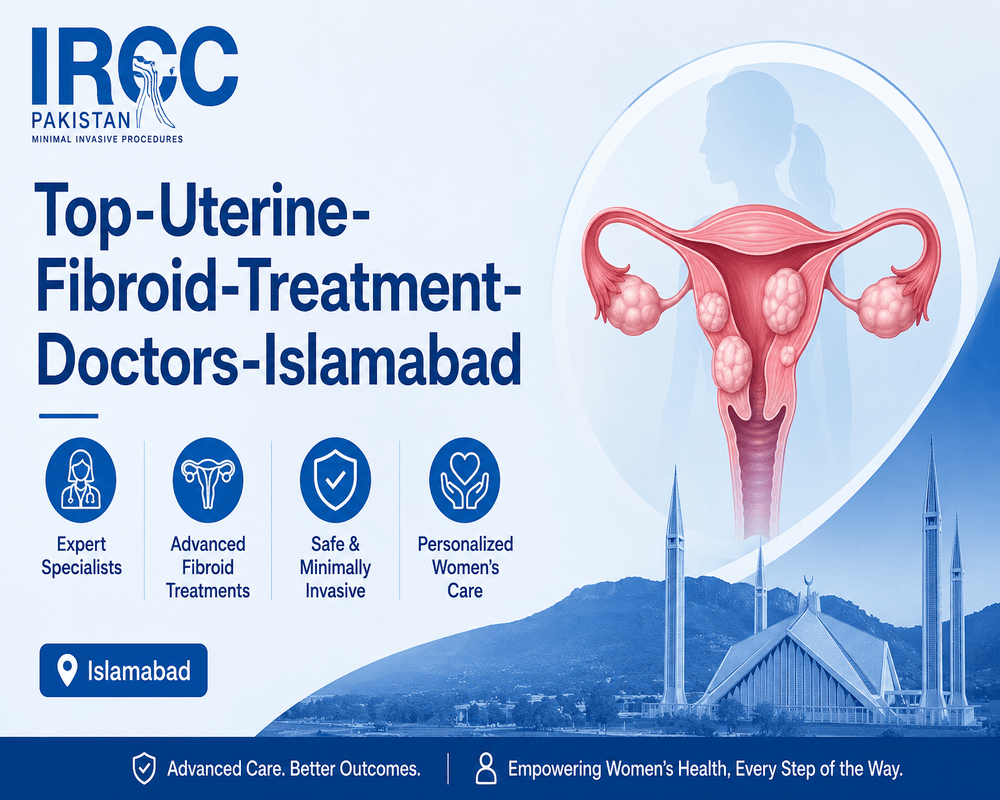
Top Uterine Fibroid Treatment Doctors in Islamabad: Your Complete Guide
Finding the right doctor for uterine fibroids can be life-changing. If you are struggling with heavy bleeding, pelvic pain, pressure symptoms, or fertility concerns in Islamabad, access to the right specialist can make the difference between years of ongoing discomfort and a clear path forward.
Women in the capital now have more options than ever before. From minimally invasive fibroid treatment to dedicated women's care and uterine fibroid embolization, treatment has moved well beyond the idea that hysterectomy is the only answer.
This guide covers the top uterine fibroid treatment doctors in Islamabad, the symptoms that should prompt evaluation, the latest uterus-preserving treatment options, and how to choose a specialist who understands both the medical and emotional impact of fibroids.
Understanding Uterine Fibroids: What You Need to Know
Before choosing a fibroid doctor, it helps to understand what fibroids are and why proper diagnosis matters. Uterine fibroids, also called leiomyomas, are benign growths that develop in or around the muscular wall of the uterus. They are not cancer, and they may range in size from tiny nodules visible only on imaging to large masses that distort the uterus.
Studies suggest that up to 70-80% of women may develop fibroids by the age of 50. Many never develop symptoms. Others experience heavy periods, chronic pelvic pressure, urinary frequency, lower back discomfort, pain during menstruation, infertility, or recurrent pregnancy loss. Because symptom burden can vary so widely, the most important first step is an accurate assessment rather than guessing based on symptoms alone.
Common Fibroid Symptoms
- Heavy menstrual bleeding requiring frequent pad or tampon changes
- Pelvic pain or pressure, especially around menstruation
- Periods lasting longer than seven days
- Difficulty conceiving or recurrent pregnancy loss
- Bloating, urinary frequency, or constipation due to pressure effects
- Anemia related to chronic blood loss
Risk Factors and Fibroid Burden in Pakistan
Women of reproductive age in Pakistan carry a significant fibroid burden. Hormonal influences, family history, obesity, delayed childbearing, and ethnic background all appear to play a role. South Asian women frequently present late, often after living with heavy bleeding and pain for years, which makes timely diagnosis and counseling even more important.
For women seeking care in the capital, Islamabad now offers access to advanced imaging, fertility-aware counseling, and women's minimally invasive procedures that can help preserve the uterus and shorten recovery.
Top Fibroid Doctors in Islamabad: Meet the Specialists
Islamabad has built a growing network of gynecologists and interventional radiologists who manage fibroids with modern, patient-centered approaches. The strongest specialists combine clinical experience with access to good ultrasound or MRI imaging, a clear fertility conversation, and the ability to explain when observation, medication, surgery, or embolization makes the most sense.
When looking for the best gynecologist for fibroids, pay close attention to whether the doctor also discusses non-surgical options, preserves fertility when possible, and coordinates care with radiology rather than pushing every patient directly toward major surgery.
Key Qualities of a Top Fibroid Doctor
- Board-certified gynecology or interventional radiology training
- Experience with minimally invasive procedures such as UFE and laparoscopic myomectomy
- Access to high-quality ultrasound and MRI imaging
- A patient-centered approach with attention to fertility goals
- Clear explanation of risks, recurrence, recovery, and alternatives
- Comfort managing complex or recurrent fibroid cases
Specialist Snapshot in Islamabad
| Specialist | Specialization and Expertise |
|---|---|
| Dr. Shahbaz Ahmed Qazi | Interventional Radiologist and UFE specialist with 25+ years of experience in minimally invasive procedures, advanced imaging, fibroid embolization, and uterus-preserving care. |
Among doctors offering minimally invasive fibroid care, Dr. Shahbaz Ahmed Qazi is known for interventional radiology-led evaluation and uterine fibroid embolization. Patients who want to avoid hysterectomy, shorten downtime, or discuss uterus-preserving approaches often benefit from consulting a specialist with direct embolization experience.
Credentialing, hospital affiliations, schedules, and procedure availability can change, so patients should always confirm current details directly with the relevant clinic or hospital at the time of booking.
Minimally Invasive Fibroid Treatment Options Available in Islamabad
Modern fibroid care does not begin and end with hysterectomy. The right option depends on fibroid size, number, location, symptoms, age, fertility priorities, prior treatments, and how quickly you want to recover. In many cases, women can choose between embolization, myomectomy, hysteroscopic resection, medication, or observation.
1. Uterine Fibroid Embolization (UFE)
Uterine fibroid embolization is an image-guided procedure in which tiny particles are delivered into the uterine arteries to reduce blood flow to fibroids. As the fibroids lose their blood supply, they shrink and symptoms improve over time. UFE is often one of the best fibroid treatment without surgery options for women who want symptom relief without removal of the uterus.
- Typical symptom improvement: about 85-90%
- Usual recovery time: about 1-2 weeks
- Uterus preserved: yes
- Treats multiple fibroids at the same time
- No large abdominal incision
If you want a deeper overview of the procedure itself, IRCC's dedicated Uterine Fibroid Embolization page explains how embolization works and who may be a candidate.
2. Myomectomy (Fibroid Removal)
Myomectomy removes fibroids while leaving the uterus in place. Depending on the location of the fibroids, the operation may be laparoscopic, hysteroscopic, robotic, or open. This remains an important option for women who want future pregnancy or who have fibroid patterns that are better managed surgically than through embolization.
- Best suited to selected women planning future pregnancy
- Can be laparoscopic, hysteroscopic, robotic, or open
- Recovery may range from 2-6 weeks depending on technique
- Fibroids can recur over time
3. Hysteroscopic Fibroid Resection
When fibroids project into the uterine cavity, hysteroscopic resection may be an excellent option. A thin instrument is passed through the cervix, so no abdominal incision is required. This is especially useful for submucosal fibroids causing heavy bleeding and fertility issues.
- Often same-day or overnight recovery
- Particularly effective for submucosal fibroids
- Can significantly improve heavy bleeding
4. MRI-Guided Focused Ultrasound (MRgFUS)
MRI-guided focused ultrasound uses concentrated ultrasound energy to heat and destroy fibroid tissue without surgical incisions. It remains less widely available than UFE or myomectomy, but some women specifically ask about it because of its non-invasive profile and same-day recovery.
Women comparing options in the capital often also explore broader non-surgical treatment in Islamabad so they can understand how embolization-based care compares with conventional surgery.
Uterine Fibroid Embolization (UFE): The Modern Solution
UFE has transformed fibroid care because it offers symptom relief without removing the uterus and without exposing patients to the recovery profile of major abdominal surgery. It is especially appealing for women who want to return to work sooner, avoid scarring, or treat multiple fibroids at once.
Is Fibroid Embolization Better Than Surgery?
The best treatment depends on the individual case. UFE may offer shorter recovery, no large incision, less blood loss, and the ability to treat multiple fibroids in one session. Surgery, however, may still be preferred in selected patients, particularly those pursuing pregnancy soon or those with fibroid types better suited to removal. The right comparison is not which option sounds modern, but which option matches your anatomy and goals.
The UFE Procedure Step by Step
- Pre-procedure imaging, often ultrasound or MRI, confirms the number, size, and position of fibroids.
- Local anesthesia with sedation is used so the patient stays comfortable.
- A small catheter is inserted, usually through the femoral or radial access site.
- Angiography maps the uterine arteries supplying the fibroids.
- Tiny embolic particles are injected to block fibroid blood supply.
- The patient is monitored and usually goes home the same day or after a short observation period.
Recovery and Results
Most women experience cramping, fatigue, and pelvic discomfort in the first several days after UFE, but symptoms are usually controlled with medication. Within two to four weeks, many patients notice improving bleeding and pressure symptoms. Maximum shrinkage and relief continue over the next several months, and fibroids may keep reducing for up to a year.
Guidance from the American College of Radiology and the American College of Obstetricians and Gynecologists supports individualized counseling so women can compare embolization, medication, and surgery with better context.
Surgery Alternatives: Choosing Uterus-Preserving Procedures
If you have been told that hysterectomy is your only option, it is worth asking about alternatives to hysterectomy. Many women prefer to preserve the uterus for fertility, hormonal, personal, or psychological reasons, and current fibroid care offers several evidence-based ways to do that.
Why Avoid Hysterectomy When Possible?
- Preserves fertility potential for selected patients
- Avoids major abdominal surgery when a less invasive option is suitable
- Reduces recovery time in many cases
- Helps maintain anatomy and body confidence for women who prefer uterine preservation
- May lower procedural disruption for patients balancing work and family responsibilities
Can Fibroids Return After Treatment?
Recurrence is an important part of counseling. Myomectomy can remove existing fibroids, but new fibroids may still develop over time. UFE has a lower retreatment rate in many studies because it treats multiple fibroids simultaneously, while hysteroscopic resection depends heavily on fibroid type and location. A good specialist will explain recurrence in practical terms so you understand what the next five years may actually look like.
- Myomectomy: around 10-15% recurrence over five years
- UFE: around 3-5% may need retreatment over five years
- Hysteroscopic resection: recurrence varies with fibroid pattern
- Hysterectomy: no recurrence because the uterus is removed
What Are the Latest Fibroid Treatments?
Fibroid care continues to evolve. In addition to surgery and embolization, doctors may use medication to control bleeding, shrink fibroids temporarily before a definitive procedure, or manage symptoms in women nearing menopause. Advances in interventional radiology are also making targeted treatment more refined and more accessible.
Medical Management with GnRH Agonists
Medications such as GnRH agonists can temporarily reduce estrogen-driven fibroid growth and shrink fibroids over a period of several months. They are often used before surgery or embolization, or when short-term symptom control is needed.
Selective Progesterone Receptor Modulators
Newer hormonal approaches may help control bleeding in carefully selected patients, although medication alone does not work the same way for everyone and may not be the best long-term answer for bulky or numerous fibroids.
Interventional Radiology Advances
Recent research in the Journal of Minimally Invasive Gynecology continues to support a more individualized approach to fibroid treatment, where embolization, fertility planning, symptoms, and patient preference all shape the final decision.
What to Expect at Your First Consultation with a Fibroid Specialist
A good first consultation should leave you with clarity, not confusion. Whether you see a gynecologist or an interventional radiologist first, the most useful appointment includes a careful symptom review, evaluation of past imaging, a discussion about fertility goals, and an honest comparison of all reasonable treatment options.
Before Your Appointment
- Bring previous ultrasounds, MRI scans, and reports if available
- Track symptoms such as bleeding pattern, pain, pressure, and fatigue
- List all medications, supplements, and prior surgeries
- Be clear about whether future pregnancy matters to you
- Write down the questions you most want answered
Questions to Ask Your Fibroid Doctor
- Are all of my fibroids causing symptoms, or do some only need observation?
- Which treatment option best fits my fibroid type, symptoms, and fertility goals?
- What risks or side effects should I expect with each option?
- How long will recovery take, and when can I return to normal activity?
- What is the chance of recurrence or retreatment?
- What happens if the first treatment does not work well enough?
If you are ready to discuss your case in more detail, you can also book a consultation directly through IRCC Pakistan.
Treatment Costs and Decision-Making in Islamabad
The cost of fibroid treatment in Islamabad depends on the hospital, the complexity of the case, the need for MRI or blood work, the duration of stay, and whether a procedure is surgical or image-guided. As a general estimate, UFE may range from around PKR 200,000 to 400,000, while myomectomy may range from around PKR 150,000 to 300,000 depending on the approach and hospital. Patients should always request a current written estimate before proceeding.
Cost matters, but it should not be the only deciding factor. The more meaningful comparison is total value: symptom relief, fertility implications, risk of recurrence, time away from work, blood loss, and the likelihood of needing another treatment later.
Ready to Take the Next Step? Your Consultation Starts Here
Living with uterine fibroids does not mean accepting heavy bleeding, exhaustion, pain, or uncertainty about fertility. Women in Islamabad now have access to specialists who can explain uterus-preserving solutions and tailor treatment to real-life priorities rather than offering a one-size-fits-all answer.
- Schedule a consultation with a fibroid specialist in Islamabad.
- Bring your previous records, imaging, and blood work if available.
- Use a written question list so you leave with clear answers.
- Ask specifically about UFE, myomectomy, hysteroscopic treatment, and watchful waiting.
- Choose the plan that fits your symptoms, timeline, and fertility goals.
Conclusion: The Future of Fibroid Treatment is Now
The fibroid treatment landscape has changed completely. What once often meant either tolerating symptoms or proceeding to hysterectomy now includes a wide range of evidence-based alternatives. For many women, that shift is not just medical. It is deeply personal, because it restores choice.
In Islamabad, patients can now access experienced gynecologists and interventional radiologists who understand minimally invasive fibroid care, fertility preservation, and long-term quality of life. Whether you are newly diagnosed, trying to conceive, or simply tired of planning your life around heavy bleeding, specialized help is available.
Do not let fibroids control your routine. Explore uterine fibroid embolization, learn about the female clinic, or book your consultation to discuss a plan that matches your goals.
Frequently Asked Questions About Fibroid Treatment
Which doctor treats fibroids in Islamabad?
Gynecologists and interventional radiologists both treat fibroids in Islamabad. The right choice depends on whether you need medical management, surgery, or minimally invasive options such as uterine fibroid embolization.
Are fibroids cancerous?
No. Uterine fibroids are benign tumors. Cancer within a presumed fibroid is extremely rare, but new or fast-changing symptoms should still be evaluated by a qualified specialist.
Can fibroids affect pregnancy?
Yes, depending on their size and location. Some fibroids do not interfere with pregnancy, while others can affect fertility, implantation, or pregnancy outcomes. A specialist can guide treatment based on your reproductive goals.
How long does UFE take?
Uterine fibroid embolization usually takes about one to two hours, followed by observation and discharge the same day or after a short stay depending on the patient's condition.
Is UFE safe?
UFE has a strong safety record when performed by an experienced interventional radiologist. Most side effects are temporary and manageable, while serious complications are uncommon.
What happens if I choose to do nothing?
If your fibroids are not causing bothersome symptoms, observation may be appropriate. However, ongoing bleeding, anemia, pain, pressure, or fertility concerns should not be ignored.
Will I need a hysterectomy?
Not always. Many women are candidates for uterus-preserving treatments such as UFE, myomectomy, or hysteroscopic resection, depending on the size, number, and location of their fibroids.
What is the cost of fibroid treatment in Islamabad?
Costs vary by hospital, physician, and procedure. UFE may range roughly from PKR 200,000 to 400,000, while myomectomy may range roughly from PKR 150,000 to 300,000 depending on complexity and facility fees.